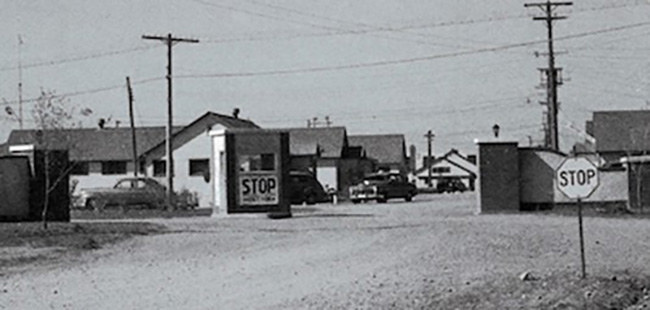
CFB Rivers
Part 1:
A Wartime Role. RCAF Station Rivers
The outbreak of World War II spurred the need for the quickest possible response. It was evident that air power would be vital, and a massive training program was launched. The wide-open spaces of Canada's Prairie Provinces with their clear skies and level topography were ideal for flight training and thousands of Allied Pilots came to several Prairie locations from as far away as Australia.
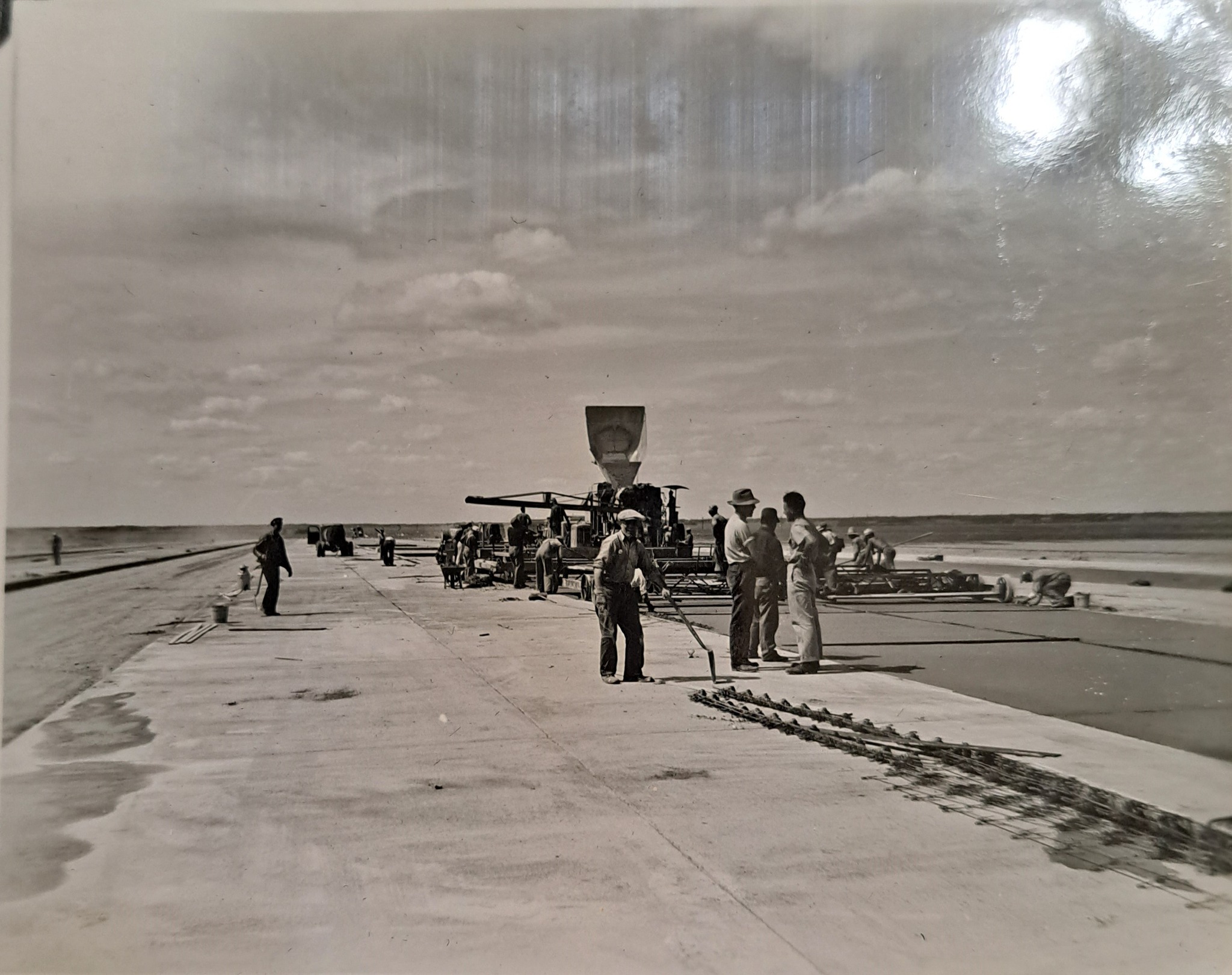
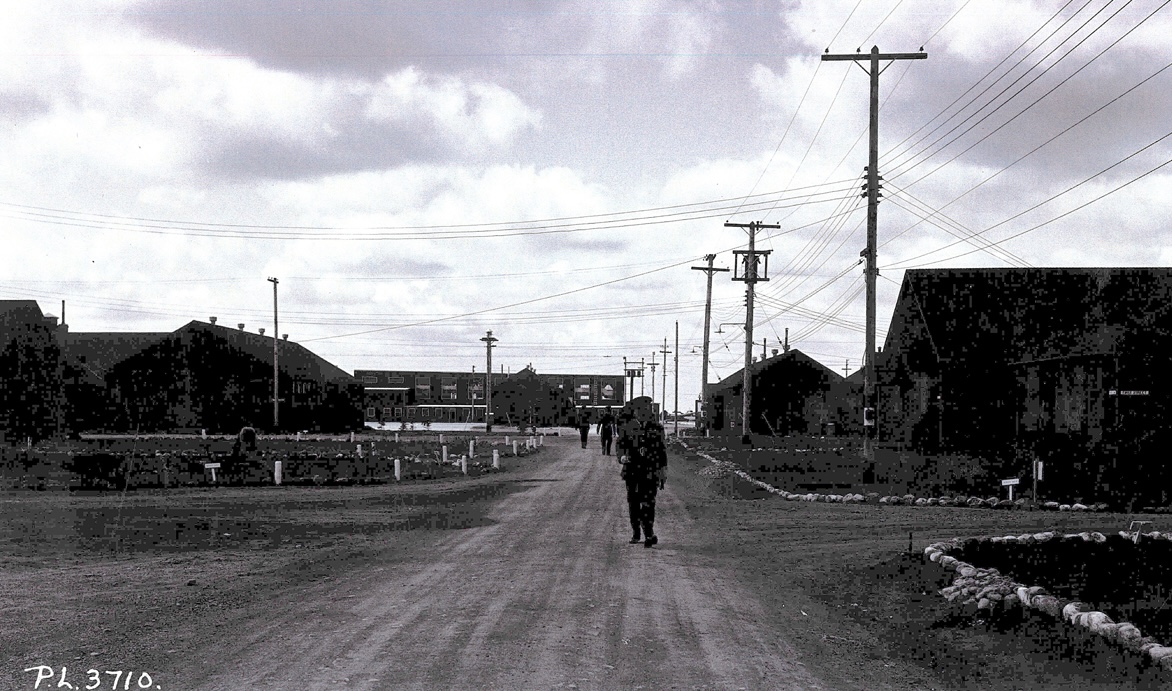
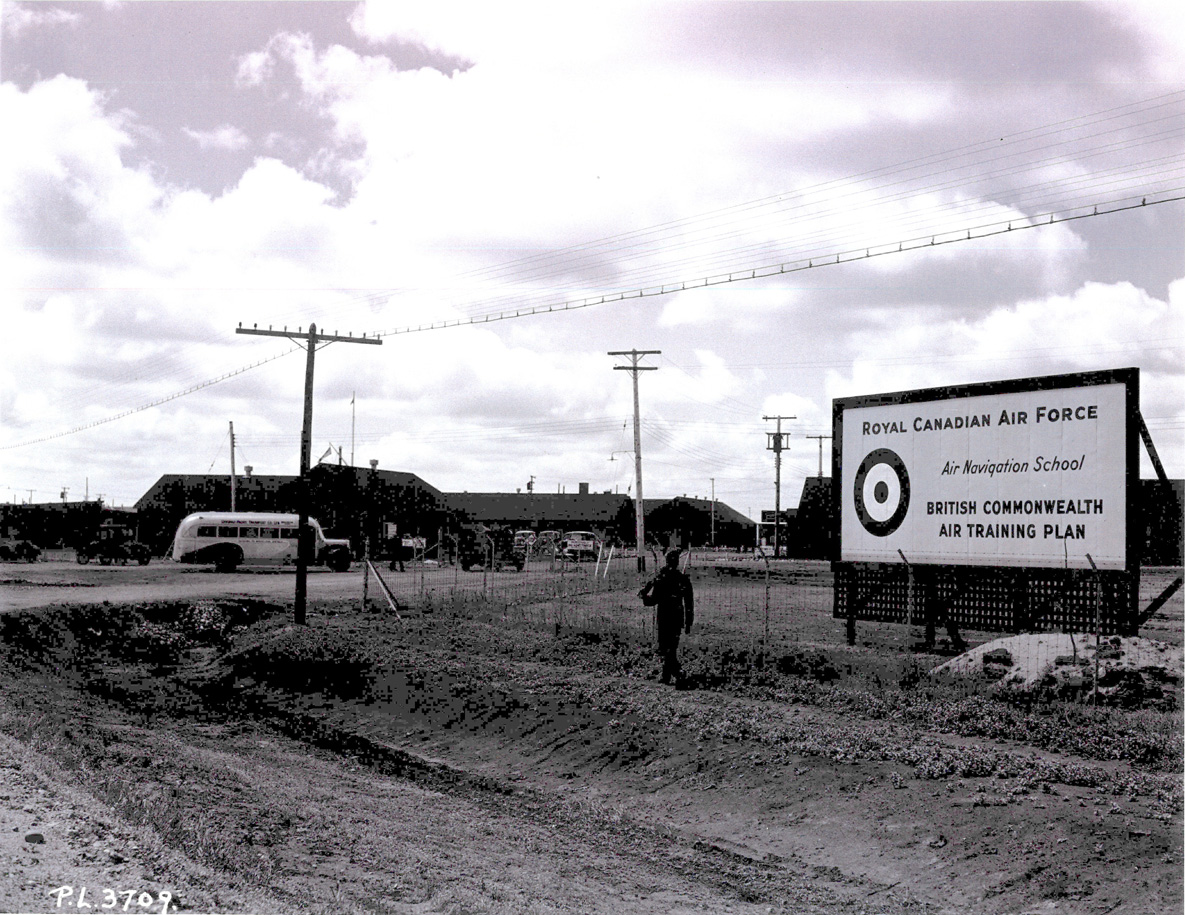
On November 23, 1940, No. 1 Air Navigation School was relocated to a new site near Rivers, Manitoba from Trenton, Ontario. It must have been an impressive operation. A world class airfield with support buildings, services and residences, was quickly completed. The purpose was to give advanced training as part of the British Commonwealth Air Training Plan.
On May 11, 1942, No. 1 Air Navigation School was re-designated Central Navigation School after an amalgamation with No. 2 Air Navigation School from Pennfield Ridge, NB. It provided training for the RCAF recruits Army pilots and parachutists as well and flying instructors from the Army and Navy. Additionally, the Royal Canadian Corps of Signals and the Air Dispatch School made Rivers their home.
As the war progressed, Rivers also became a training center for many key parts of the Wartime effort. No. 2 Detachment of No. 165 Transport Squadron was formed at Rivers on April 23, 1943, with the task of initiating paratroop training in Canada. The unit worked in conjunction with the Canadian Army’s 1st Parachute Battalion.
Part 2: A Peacetime Role
By the time No. 1 Central Navigation School disbanded in August 1945, the Air Navigation Schools had trained a combined total of 11, 406 Commonwealth navigators.
RCAF Station Rivers remained open after the war, becoming part of the post-war RCAF.
Through the years the base was home to training initiatives central to the overall mission of our Armed Forces. Airplane and Helicopter pilots were trained in all facets of combat readiness and Military expertise.
A Timeline
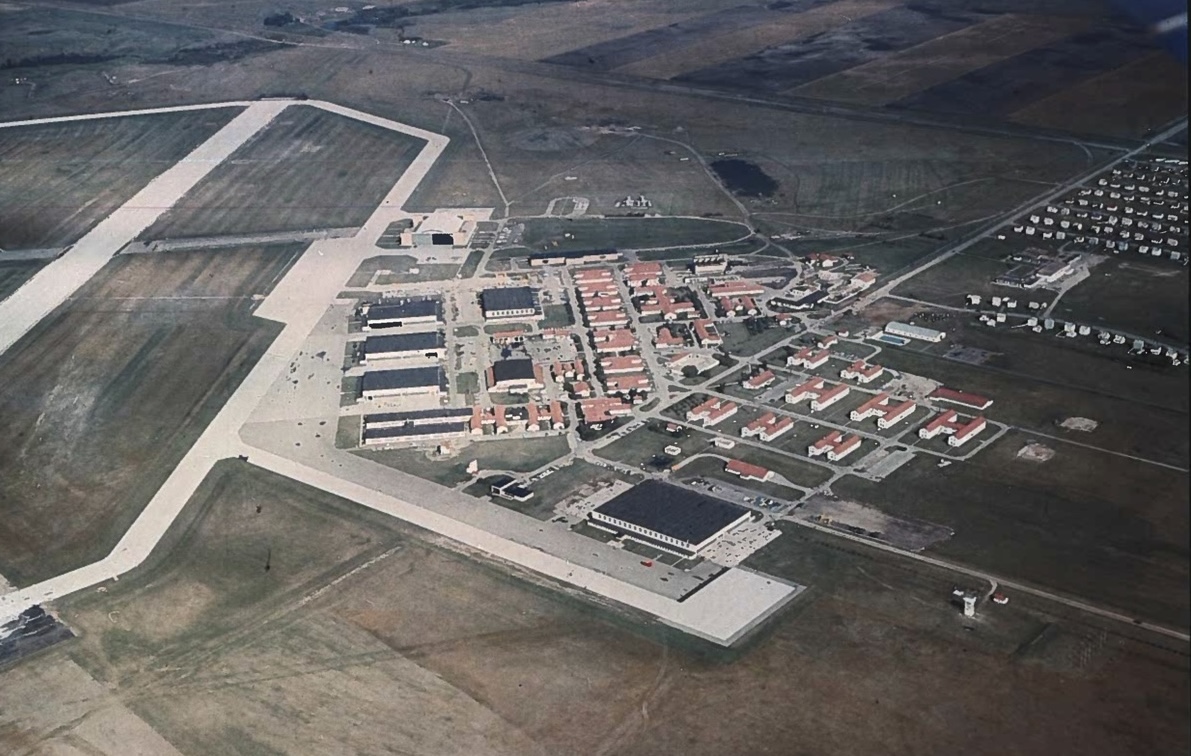
In 1947, the Joint Air School was opened to train the Armed Forces in the techniques of air/army/navy operations. New airstrips were constructed in 1947 and 1948 and, at the time, made the airfield at Rivers one of the biggest in North America. The airstrip could be used as an emergency landing area for commercial airliners in route between Vancouver and Winnipeg.
Over the years new training programs were established and several existing programs from other bases were moved to Rivers.
In 1947, No. 417 Fighter Reconnaissance Squadron formed. This squadron was used in close support training with army units and worked with the Joint Air School.
Also, in 1947 No. 444 Squadron was formed as an Air Observation Post Unit in cooperation with the Joint Air School. It assisted artillery units in training to range and direct artillery fire.
Helicopter Conversion Flight was set up in 1947 to provide conversion training for RCAF pilots from fixed wing aircraft to helicopters which had been a new addition to the RCAF.
In March 1949, the Joint Air School was re-named Joint Air Training Centre, continuing with its previously tasked operations.
In 1964, No. 8 Photographic Squadron moved to Rivers from Rockcliffe and re-designated Transport Support and Area Reconnaissance.
In 1966, the No. 408 Tactical Fighter Squadron was created to provide support to army units by providing aircraft and aircrew trained in weapons delivery.
No. 4 Advanced Flying School evolved from the helicopter conversion flight and continued to train pilots in operating the helicopters.
No. 3 Flying School was opened to provide advanced training for pilots on the Expediter.
Part 3: A Community Role
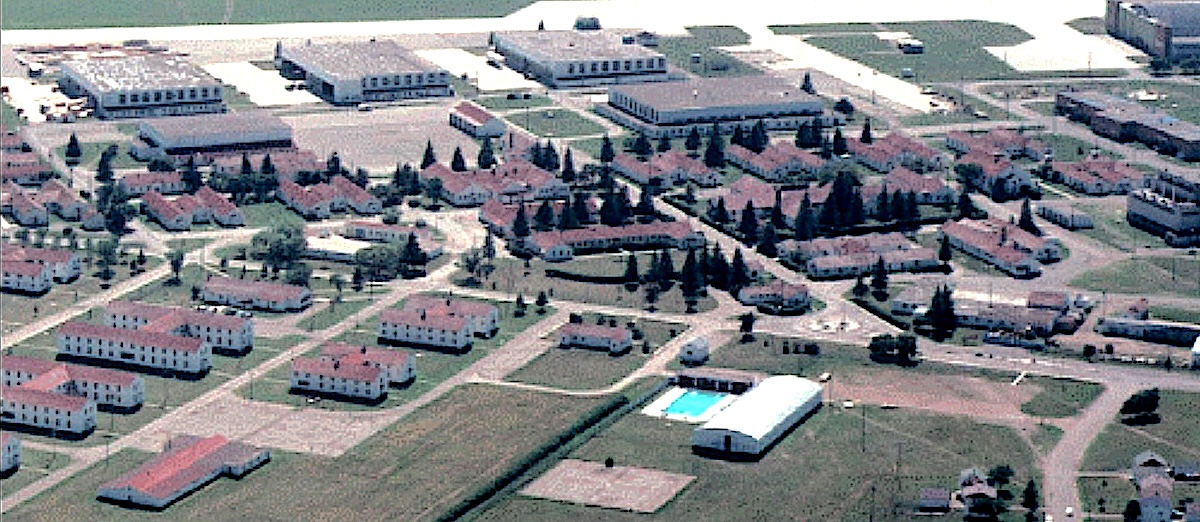
There was a close and mutually beneficial relationship between the base and the nearby community of Rivers. The base's recreational facilities, with a large gymnasium, bowling alley and swimming pool were well used by the citizen of Rivers. The shopping and other facilities in the Town were very convenient to all personnel.
Brooke School, conveniently located alongside the newly built Married Quarters (PMQs) looked after the education of Base children. After 1961 High School students attended the newly built Rivers Collegiate Institute.
Part 4: Other Uses
In 1968, CFB Rivers was declared surplus to defense needs, as were several other bases across the country, and it closed in September 1971.
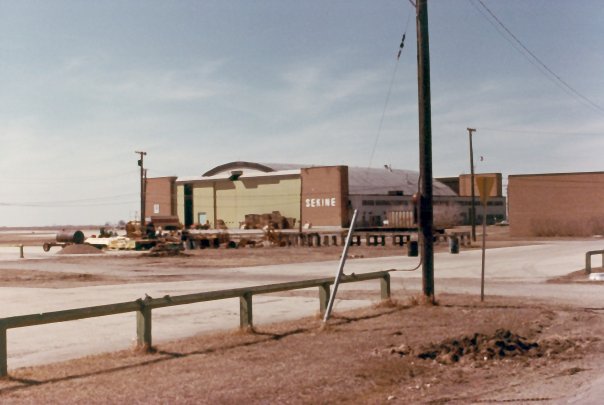
In September 1972, the land was turned over to the Department of Indian Affairs and Northern Development for use as an industrial training centre, the Oo-Za-We-Kwun Centre.
Several buildings were used for manufacturing enterprises, most notably the Sekine Bicycle Factory. The manufacture of plastic products, and of travel trailers were established for a time.
The Rivers Gliding School, a summer Air Cadet glider camp opened at the former base in 1974, remaining until 1984.
In 1980, the Oo-Za-We-Kwun Centre closed, and the land was sold by the Federal Government.
In 1981, the entire site was transferred to the Department of Public Works. The property including hangers, airstrip, swimming pool, bowling alley, recreational facilities in addition to numerous other buildings was put up for public sale in 1983. It was eventually sold to a private businessman for just over $700,000. The nine-hole golf course was turned over to a local golfing group.
Join us as we explore these and other aspects of the place locals have always just called, "The Base".